Breaking the Cultural Code – On Demand

Logo

Breaking the Cultural Code

Mastering Nutrition Counseling for the Top 11 Hispanic Groups in the United States.

Featuring the Cultures and Cuisines of Mexico, Puerto Rico, Dominican Republic, Cuba, El Salvador, and Guatemala, Honduras, Venezuela, Ecuador, Colombia and Peru.

This program is approved for 25.75 CEUs by Commission on Dietetic Registration (CDR) for registered dietitian nutritionists and dietetic technicians, registered and Certified Diabetes Care and Education Specialists (CDCESs)
This is an Ethics CPE activity.

Introduction

the Course

How does it work?

Speakers

Testimonials

Register

Row wavy Shape Decorative svg added to bottom

Learn how to Counsel your Hispanic
Patients with Confidence

Your next patient is Hispanic. He tells you he drinks a mamey shake every morning for breakfast. He tells you mamey is good for anemia and intestines. He asks, “Is mamey okay to eat if you have diabetes?” You want to help but you have no clue what is mamey and its nutritional benefits. You have patient education materials in Spanish, but you do not remember ever seeing mamey or anything similar on the patient education resources. You quickly type “mamey” in the Google search box, smile, and wait for the answer.

Does that sound like you? Imagine if you could speak with your Hispanic patient with confidence and ask just the right questions to elicit the answers you need to provide top-notch counseling.

I am going to make it so easy for you!

25.75 CEUs
(These are the ethics CEUs dietitans struggle to find!)

This program is for you!

Hispanic-Americans are more likely than any other group to have diabetes. They’re also at high risk for hypertension, obesity, heart disease, and more. (CDC)

Want to help?

Great—but you’ll need the right tools in your toolbox...
Lorena Drago Pic blue copy

Hello, fellow health care professional,

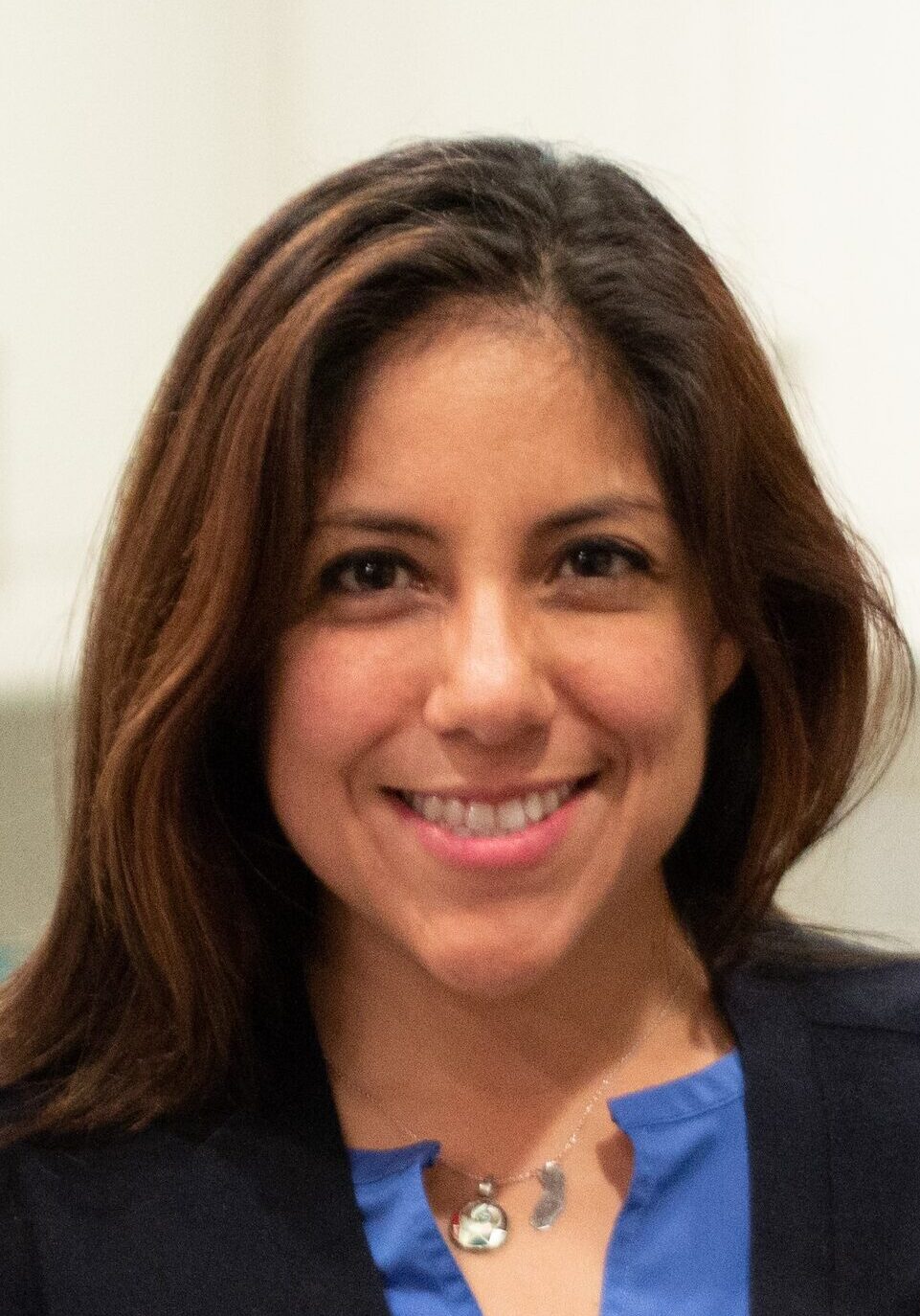
I’m Lorena Drago, a Registered Dietitian Nutritionist and Certified Diabetes Care and Education Specialist. And for 20 years, I’ve practiced and taught multicultural nutrition.
That’s a long time, but I remember the day my entire perspective changed like it was yesterday.
I was teaching diabetes education to nurses in a clinic that primarily served Puerto Rican and Dominican patients.
That’s when a Puerto Rican nurse asked me—
“Do you have any educational handouts that talk about our foods? Puerto Ricans don’t eat tacos unless we’re at a Mexican restaurant.”

Wow. What a “lightbulb moment,” and one that seems so obvious when you speak it out loud.
When it comes to food, there’s no such thing as a “Hispanic-American.”
Because of course every Hispanic culture is different.
Yet—for so long—our health care system has worked as if this were the case.
The truth is American healthcare sorely lacks cultural diversity when it comes to educational materials and programming.

That’s why I’m proud to offer…

The first—and only—training to address the food, nutrition, and health of the 11 largest Hispanic subgroups in the United States

Hispanic cultures share commonalities, but they’re not a monolith. 

There are significant differences between subgroups—in attitudes toward food, in health behaviors, and (crucially) in culture and cuisine.

These differences can significantly impact your clients’ health outcomes, but there’s just not much training available that addresses them.

That is, until now.

I'm ready to sign up!
Family-dinner-small
Couple-cooking-small

Here’s why you should attend this unique,
on-demand program…

If you lack the knowledge and skills to work with our country’s many Hispanic-Americans, you’ll have a more difficult time connecting with a significant portion of your client base.

That lack of connection may lead to poor outcomes for them—and could impact work opportunities for you. 

After all, since more people with diabetes and cardiometabolic conditions are Hispanics, you could find yourself poorly trained and unprepared to work with a large majority of your patients or clients.

But when you join me for “Breaking the Cultural Code,” you’ll become more culturally proficient when working with the 11 most significant Hispanic subgroups in the United States: Mexicans, Guatemalans, Salvadorans, Puerto Ricans, Cubans, and Dominicans, Hondurans, Venezuelans, Ecuadorians, Colombians and Peruvians. 

You’ll understand the similarities and differences between each of these groups. 

You’ll hear from program speakers from each of these countries and territories—and learn from their experiences and expertise as registered dietitian nutritionists and diabetes education specialists. You’ll even cook along with them. You’ll also learn from a food anthropologist who’ll discuss nutrition, health, and migration.

And there will be practical, hands-on activities you can apply right after you learn each one.

When you’re done, you will 

  • Be able to make appropriate food recommendations to your clients. 
  • Know what to ask and what to say, and understand how to connect with and serve your Hispanic clients.
  • Understand and support the distinct characteristics of Hispanic subgroups—and gather valuable skills you can use with any cultural group.
  • Apply effective communication strategies you can put into practice immediately.
  • Learn practical strategies you can use from the moment you greet the client/patient.
  • Be able to conduct a cross-cultural assessment.
  • Easily draw upon teaching tools that address cultural needs.
I'm ready to sign up!
Row concave Shape Decorative svg added to bottom

Presenting…

“Breaking the Cultural Code:
Mastering Nutrition Counseling for the Top 11 Hispanic Groups in the United States.
Featuring the Cultures and Cuisines of Mexico, Puerto Rico, Dominican Republic, Cuba, El Salvador, and Guatemala, Honduras, Venezuela, Ecuador, Colombia and Peru.”

If you work as a healthcare professional or diabetes care and education specialist:

  • In a clinical setting
  • In a community organization
  • In food service, or 
  • In private practice, 

Then I’d like to invite you to join me for this educational and informative on-demand 9-module course.

Tamarind
I'm ready to sign up!
Row concave Shape Decorative svg added to bottom

How the program works

“Breaking the Cultural Code” will broaden your familiarity with foods and dishes that are common in the diets of your Hispanic clients, so you can make culturally relevant recommendations when working with members of these communities.

This popular live course is now available on-demand. You'll receive one module per region — complete with lively video instruction, recipes, accompanying materials, and assessments to cement your understanding. After your final evaluation, you'll receive your CEU certificate and my bonus e-book: Counseling Your Hispanic Patients with Confidence.

Program Overview

The program will begin with an overview of the major Hispanic subgroups in the United States: Mexicans, Puerto Ricans, Dominicans, Cubans, Salvadorans, Guatemalans, Hondurans, Venezuelans, Ecuadorians, Colombians and Peruvians..

The speaker will focus on the importance of cultural competency when counseling individuals with diabetes, pre-diabetes, and other cardiometabolic conditions such as heart disease, high triglycerides, cholesterol, and blood pressure.

Guatemalan Rellenitos

Learn how to make Guatemalan rellenitos (Week # 4)

Each week, a different speaker will discuss their home country, its culture, and its people—Mexico, Puerto Rico, the Dominican Republic, Cuba, El Salvador, Guatemala, Honduras, Venezuela, Ecuador, Colombia and Peru. The speaker will address:

  • Health beliefs and practices
  • Use of alternative medicine 
  • Cultural perspectives of diet, weight, and body image
  • Nutrition counseling communication skills, and
  • Traditional foods and meal patterns.
Mamey

Learn about mamey's impressive nutritional profile and learn how to prepare a delicious and simple treat (Week #5)

Once you sign up, you’ll get one module per week. Once you’re done, you can revisit all the modules for two years!

This program is approved for 25.5 CEUs by Commission on Dietetic Registration (CDR) for registered dietitian nutritionists and dietetic technicians, registered and Certified Diabetes Care and Education Specialists (CDCESs).
This is an Ethics CPE activity.

About the Speakers and Hispanic Cultures

Module 1: Introducing the US' Hispanic Subgroups

Lorena-Drago-Pic-blue-copy-portrait-54dcc295f461994894b4d3180cd3bbd0-5d84643ee491d

What we'll cover

  • Facts about Hispanic groups
  • Preferred Foods based on country of origin
  • Spanish naming customs
More topics Expand
  • Translating foods into Spanish
  • Cultural food questionnaire
  • Cultural appropriate translations

Lorena Drago
MS RDN CDN CDCES

Learn more about Lorena

Lorena Drago MS RDN CDN CDCES
Registered Dietitian Nutritionist Certified Diabetes Care and Educator Specialist

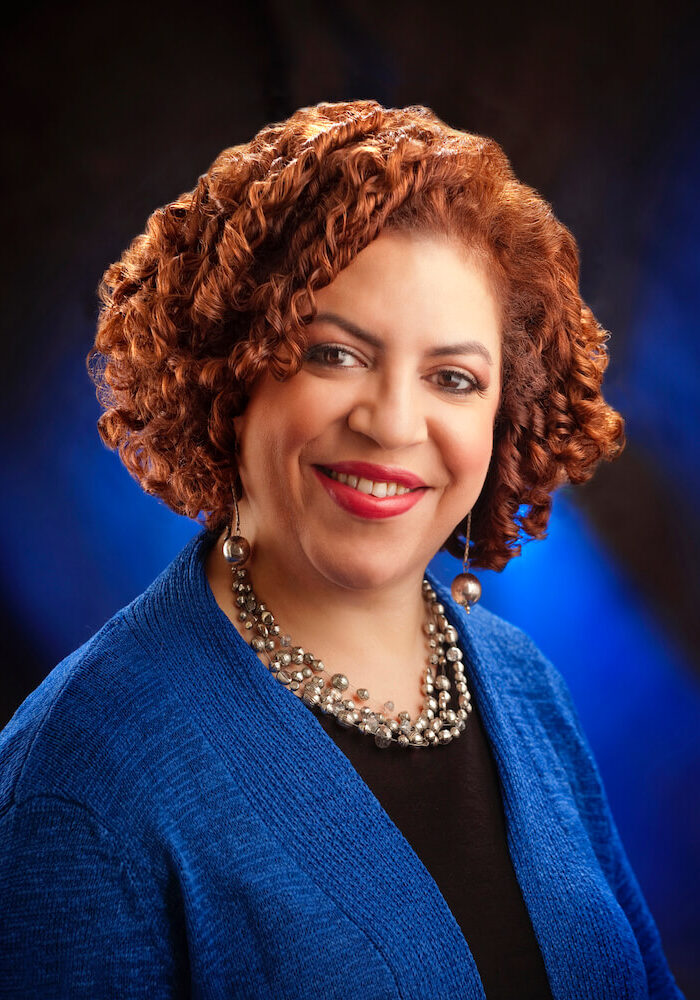
Lorena Drago, MS, RD, CDN, CDE, is a registered dietitian, consultant and certified diabetes care and educator specialist.  

Lorena specializes in the multicultural aspects of diabetes self-management education and is an expert in developing culturally and ethnically oriented nutrition and diabetes education materials. She founded, Hispanic Foodways which received the New York City Small Business Award in 2006. She developed the Nutriportion™ Measuring Cups that has the calorie and carbohydrate amounts of common foods embossed on each cup and the Nutriportion™ Hispanic Food Cards that have pictures and nutrition composition of common Hispanic foods. 

Lorena served on the American Association of Diabetes Educators board of directors from 2006-2010, Chair for Latinos and Hispanics in Dietetics and Nutrition. She was Past President of the Metropolitan New York Association of Diabetes Educators in 2004. Lorena won the Diabetic Living People’s Choice Award in 2012 and Latinos & Hispanics in Dietetics and Nutrition Trinko Award in 2016.

She is the author of the book Beyond Rice and Beans: The Caribbean Guide to Eating Well with Diabetes published by the American Diabetes Association. She is a contributing author and co-editor of the book Cultural Food Practices published by the Academy of Nutrition and Dietetics and was print communications chair for the Diabetes Care and Education Specialty Practice Group of the Academy of Nutrition and Dietetics from 2012-2015. Lorena’s new publication, 15-Minute Consultation: Tips, Tools, and Activities to Make your Nutrition Counseling More Effective was published in 2016 by the Academy of Nutrition and Dietetics. She serves on the editorial board of the Association of Diabetes Care and Education Specialist in Practice and Diabetes Self-Management magazine. Lorena has appeared on several national TV shows speaking about diabetes management.

Lorena graduated cum laude from Hunter College of the City University of New York with a Master of Science degree in Food and Nutrition and received her bachelor’s degree from Queens College.

Module 2 : Mexico
 

Marina Chaparro

What we'll cover

  • Mexicans’ health beliefs and myths “El Susto”
  • The power of nopal (cactus) and alternative medicine 
  • Use of complementary medicine among Hispanics
More topics Expand
  • Cultural perception of diet and body weight among Mexicans
  • Tex-Mex vs. Mexican food
  • Mexican cuisine by region
  • Mexican mealtime schedules
  • Cultural relevant adaptations

Part 2: Dr. Alyshia Gálves and Mariana Gomez

  • Dietary assimilation among Mexicans
  • Dietary regional differences in Mexico and migration within Mexico
  • How the trade agreement increased migration, diabetes, obesity, and chronic disease
  • Inquiry-based approach tips

Marina Chaparro
MPH, RD, CDCES

Learn more about Marina

Module 3: El Salvador
 

Kennia De Salazar

What we'll cover

  • Salvadoran cultural traditions
  • Salvadoran health beliefs and practices
  • Diet and diabetes
More topics Expand
  • Cultural perspectives of diet, weight, and body image
  • Salvadoran foods and meal patterns
  • How to counsel the Salvadoran patient
  • The impact of acculturation 
  • Case study

Kennia De Salazar
ND, CDE, Postgrad EM

Learn more about Kennia

Module 4: Guatemala

Lucy Herrarte

What we'll cover

  • Guatemalan ethnic groups
  • Guatemalan languages
  • Guatemalan traditional foods
More topics Expand
  • Meal patterns by region
  • Foods Guatemalans consider healthy and unhealthy
  • Diabetes and Hypertension in the Guatemalan adult population
  • Health beliefs and practices
  • Cultural perspectives of diet, weight, and body image
  • Nutrition, cultural considerations, and diabetes counseling skills
  • Supermarket and local market tours
  • Counseling a Guatemalan woman with type 2 diabetes

Lucy Herrarte
RDN, DCES

Learn more about Lucy

Module 5: Dominican Republic

Naz Maduro

What we'll cover

  • Dominican culture
  • The immigration progress, dietary changes, and acculturation
  • Dominican use of herbs and botanicals
More topics Expand
  • Dominican foods and meal patterns
  • Nutrition counseling tips
  • Diabetes counseling tips

Naz Maduro
RDN, CDN, CDCES

Learn more about Naz

Module 6: Cuba

Diana Mesa

What we'll cover

  • Cuban health belief and practices
  • Body image
  • Use of ethnomedicine
More topics Expand
  • Cuban traditional foods, flavors, ingredients, and meal patterns
  • Western vs. Easter Cuban cuisine
  • Counseling techniques
  • Managing chronic conditions
  • Case study

Part 2: Anna Norton and Jenny Fernandez

  • A Cuban Chinese discusses her cultural experience living with diabetes
  • A Honduran Panamanian discusses her cultural experience living with diabetes
  • Alternative/Complementary medicine use to manage diabetes
  • Tips for healthcare professionals

Diana Mesa
RDN, LDN, CDCES

Learn more about Diana

Module 7: Puerto Rico

Christina McGrough

What we'll cover

  • Puerto Rican culture
  • Health beliefs and practices
  • Use of ethnomedicine
More topics Expand
  • Dietary practices
  • Puerto Rican traditional foods and meal patterns
  • Common kitchen utensils
  • Cultural perspectives 
  • Nutritional counseling

Christina McGeough
MPH, RDN, CDCES, LCCE, CLC

Learn more about Christina

Module 8: Honduras

Joyce Faraj

What we'll cover

  • Introduction to Honduras and demographics
  • Health beliefs and practices
  • Body image and BMI
More topics Expand
  • Ethnomedicine
  • Traditional Honduran foods and meal patterns
  • Popular dishes
  • Common flavors and ingredients
  • Nutrition education and counseling tips
  • Healthy and unhealthy foods as perceived by Hondurans
  • Honduran acculturation practices
  • Managing cardiometabolic conditions
  • How to counsel the Honduran patient with diabetes
  • Family dynamics
  • Case study: Sra. Maria Hernandez

Joyce Faraj-Ardura
PhD, RD

Learn more about Joyce

Module 9: Venezuela

Ana D

What we'll cover

  • Venezuelan geography and political history
  • The Venezuelan personality
  • Venezuelan body type/stereotypes
More topics Expand
  • Health beliefs
  • Traditional Venezuelan foods 
    • Nutritional profile of Venezuelan foods
  • Venezuelan regional eating patterns 
  • The Venezuelan corn culture 
  • Persons with diabetes
  • Nutrition education
  • Healthier alternatives
  • Menu example
  • Physical activity
  • Blood glucose monitoring
  • Case study

Ana D’ Escrivan
RDN, LDN, CDCES

Learn more about Ana

Module 10: Ecuador

DIana

What we'll cover

  • Ethnic Groups of Ecuador
  • Ecuadorians in USA 
  • Regions of Ecuador 
    1. Galapagos Islands & Popular Dishes
    2. Coastal Region & Popular Dishes
    3. Andean Region & Popular Dishes
    4. Amazon Rainforest
More topics Expand
  • Ecuadorian Meal Patterns
  • Healthy vs. Unhealthy Foods
  • Body Mass Index (BMI) and Body Image
  • Ecuadorian Acculturation Practices 
  • Family Dynamics
  • Ecuadorian Health Beliefs and Practices
  • Ethnomedicine/Medicinal Plants Examples
  • Nutritional Counseling Tips
  • Managing Chronic Conditions/ Diabetes
  • Application: Case Study

Diana S. Alberti
RDN, CDN, RYT

Learn more about Diana

Module 11: Colombia

Lorena-Drago-Pic-blue-copy-portrait-54dcc295f461994894b4d3180cd3bbd0-5d84643ee491d

What we'll cover

  • Facts about Colombia in the U.S.A Immigration status and educational attainment
  • Race, ethnicity, religion of Colombians
  • The Healthy Plate of the Colombian Family: what are the nutrition recommendations for Colombians
More topics Expand
  • Facts about Colombia in the U.S.A Immigration status and educational attainment
  • Race, ethnicity, religion of Colombians
  • The Healthy Plate of the Colombian Family: what are the nutrition recommendations for Colombians
  • The five Colombian regions and their unique gastronomy: Pacific, Andean, Caribbean, Orinoquía, and Amazon regions
  • Colombians are children of the corn: foods prepared with corn and corn flour
  • Traditional grains, fruits, vegetables, fats, protein, dairy, sweets, and beverages consumed in Colombia
  • Nutrition counseling
  • Ethnobotany use
  • BMI, Body image and Weight Loss
  • Diabetes and Diabetes Counseling

Lorena Drago
MS, RDN, CDN, CDCES

Learn more about Lorena

Lorena Drago MS RDN CDN CDCES
Registered Dietitian Nutritionist Certified Diabetes Care and Educator Specialist

Lorena Drago, MS, RD, CDN, CDE, is a registered dietitian, consultant and certified diabetes care and educator specialist.  

Lorena specializes in the multicultural aspects of diabetes self-management education and is an expert in developing culturally and ethnically oriented nutrition and diabetes education materials. She founded, Hispanic Foodways which received the New York City Small Business Award in 2006. She developed the Nutriportion™ Measuring Cups that has the calorie and carbohydrate amounts of common foods embossed on each cup and the Nutriportion™ Hispanic Food Cards that have pictures and nutrition composition of common Hispanic foods. 

Lorena served on the American Association of Diabetes Educators board of directors from 2006-2010, Chair for Latinos and Hispanics in Dietetics and Nutrition. She was Past President of the Metropolitan New York Association of Diabetes Educators in 2004. Lorena won the Diabetic Living People’s Choice Award in 2012 and Latinos & Hispanics in Dietetics and Nutrition Trinko Award in 2016.

She is the author of the book Beyond Rice and Beans: The Caribbean Guide to Eating Well with Diabetes published by the American Diabetes Association. She is a contributing author and co-editor of the book Cultural Food Practices published by the Academy of Nutrition and Dietetics and was print communications chair for the Diabetes Care and Education Specialty Practice Group of the Academy of Nutrition and Dietetics from 2012-2015. Lorena’s new publication, 15-Minute Consultation: Tips, Tools, and Activities to Make your Nutrition Counseling More Effective was published in 2016 by the Academy of Nutrition and Dietetics. She serves on the editorial board of the Association of Diabetes Care and Education Specialist in Practice and Diabetes Self-Management magazine. Lorena has appeared on several national TV shows speaking about diabetes management.

Lorena graduated cum laude from Hunter College of the City University of New York with a Master of Science degree in Food and Nutrition and received her bachelor’s degree from Queens College.

Module 12: Peru

Lilian Correa headshot

What we'll cover

  • Introduction to Peru and demographics
  • Health beliefs and practices
  • Body images and perceptions
More topics Expand
  • Introduction to Peru and demographics
  • Health beliefs and practices
  • Body images and perceptions
  • Traditional Peruvian foods and meal patterns by region
  • Common flavors and ingredients that distinguish Peruvian cuisine
  • Peruvian traditional holiday meals
  • Peruvian immigration and acculturation practices
  • Counseling Peruvian patients: focusing on diabetes
  • Case study: Sra. Dávila

Lily Correa
MA, MPH, RD, DipACLM

Learn more about Lily

Module 13: Cross-Cultural Assessment

Lorena-Drago-Pic-blue-copy-portrait-54dcc295f461994894b4d3180cd3bbd0-5d84643ee491d

What we'll cover

  • Prevalence of Diabetes Among Diabetes Hispanic Subgroups
  • Health Consequences of Limited Health Literacy
  • Cultural Counseling Communication Tools 
More topics Expand
  • Hispanic’s Insulin View and Use of Herbal/Plant Remedies
  • Arthur Kleinman’s Eight Questions to Understand Patient’s Illness 
  • Traditional Latino Illnesses

Lorena Drago
MS RDN CDN CDCES

Learn more about Lorena

Lorena Drago MS RDN CDN CDCES
Registered Dietitian Nutritionist Certified Diabetes Care and Educator Specialist

Lorena Drago, MS, RD, CDN, CDE, is a registered dietitian, consultant and certified diabetes care and educator specialist.  

Lorena specializes in the multicultural aspects of diabetes self-management education and is an expert in developing culturally and ethnically oriented nutrition and diabetes education materials. She founded, Hispanic Foodways which received the New York City Small Business Award in 2006. She developed the Nutriportion™ Measuring Cups that has the calorie and carbohydrate amounts of common foods embossed on each cup and the Nutriportion™ Hispanic Food Cards that have pictures and nutrition composition of common Hispanic foods. 

Lorena served on the American Association of Diabetes Educators board of directors from 2006-2010, Chair for Latinos and Hispanics in Dietetics and Nutrition. She was Past President of the Metropolitan New York Association of Diabetes Educators in 2004. Lorena won the Diabetic Living People’s Choice Award in 2012 and Latinos & Hispanics in Dietetics and Nutrition Trinko Award in 2016.

She is the author of the book Beyond Rice and Beans: The Caribbean Guide to Eating Well with Diabetes published by the American Diabetes Association. She is a contributing author and co-editor of the book Cultural Food Practices published by the Academy of Nutrition and Dietetics and was print communications chair for the Diabetes Care and Education Specialty Practice Group of the Academy of Nutrition and Dietetics from 2012-2015. Lorena’s new publication, 15-Minute Consultation: Tips, Tools, and Activities to Make your Nutrition Counseling More Effective was published in 2016 by the Academy of Nutrition and Dietetics. She serves on the editorial board of the Association of Diabetes Care and Education Specialist in Practice and Diabetes Self-Management magazine. Lorena has appeared on several national TV shows speaking about diabetes management.

Lorena graduated cum laude from Hunter College of the City University of New York with a Master of Science degree in Food and Nutrition and received her bachelor’s degree from Queens College.

Module 14: Counseling Tips Hands On!

Lorena-Drago-Pic-blue-copy-portrait-54dcc295f461994894b4d3180cd3bbd0-5d84643ee491d

What we'll cover

  • Tips to teach the Auditory, Kinesthetic/Tactile and Visual Learner? 
  • Tips to Communicate Risk to your Patients
  • Working with your Hispanic Clients/Patients
More topics Expand
  • How to Work Effectively with Interpreters
  • How to Use Teach-Back Effectively 

Lorena Drago
MS RDN CDN CDCES

Learn more about Lorena

Lorena Drago MS RDN CDN CDCES
Registered Dietitian Nutritionist Certified Diabetes Care and Educator Specialist

Lorena Drago, MS, RD, CDN, CDE, is a registered dietitian, consultant and certified diabetes care and educator specialist.  

Lorena specializes in the multicultural aspects of diabetes self-management education and is an expert in developing culturally and ethnically oriented nutrition and diabetes education materials. She founded, Hispanic Foodways which received the New York City Small Business Award in 2006. She developed the Nutriportion™ Measuring Cups that has the calorie and carbohydrate amounts of common foods embossed on each cup and the Nutriportion™ Hispanic Food Cards that have pictures and nutrition composition of common Hispanic foods. 

Lorena served on the American Association of Diabetes Educators board of directors from 2006-2010, Chair for Latinos and Hispanics in Dietetics and Nutrition. She was Past President of the Metropolitan New York Association of Diabetes Educators in 2004. Lorena won the Diabetic Living People’s Choice Award in 2012 and Latinos & Hispanics in Dietetics and Nutrition Trinko Award in 2016.

She is the author of the book Beyond Rice and Beans: The Caribbean Guide to Eating Well with Diabetes published by the American Diabetes Association. She is a contributing author and co-editor of the book Cultural Food Practices published by the Academy of Nutrition and Dietetics and was print communications chair for the Diabetes Care and Education Specialty Practice Group of the Academy of Nutrition and Dietetics from 2012-2015. Lorena’s new publication, 15-Minute Consultation: Tips, Tools, and Activities to Make your Nutrition Counseling More Effective was published in 2016 by the Academy of Nutrition and Dietetics. She serves on the editorial board of the Association of Diabetes Care and Education Specialist in Practice and Diabetes Self-Management magazine. Lorena has appeared on several national TV shows speaking about diabetes management.

Lorena graduated cum laude from Hunter College of the City University of New York with a Master of Science degree in Food and Nutrition and received her bachelor’s degree from Queens College.

Row wavy Shape Decorative svg added to top

“I enjoyed so much taking this course in the fall! Highly recommend for any RD - even if you don't work with patients/clients from these particular countries. There was so much useful information that can be applied to working with individuals from any culture, but the things I learned about the countries leveled up my game as a bilingual RD”

— Breaking the Cultural Code attendee

"I found the series very thorough, and I appreciated the presenters detailed slides. There is so much to learn, I'm impressed the presenters managed to compress it all into 90-120 minutes. The discussion on Latinx vs Latina/Latino gave me a lot to think about. The recipes are a wonderful, gives me a chance to try dishes I hadn't had in a while or have never made. More beans, more ways are ALWAYS welcome in my house!"

— Breaking the Cultural Code attendee

"Wow, what an outstanding kick-off to your series! Last night’s program had it all, engaging and real-world interviews/discussions, lots of practical advice, humor, and hands on cooking. I look forward to learning more in the future programs!!! Thank you so much!"

— Breaking the Cultural Code attendee

“Lorena, yesterday it was phenomenal or "brutal", as we say in Puerto Rico. I want to sit down and watch it all again. All beautiful, full of energy, love and passion. So much science and evidence combined with culture, my heart was beating so fast. Thank you very much!”

— Breaking the Cultural Code attendee

"Thanks for a great session tonight! Kennia was fantastic, and I learned so much. My husband and 2 kids loved Kennia's pupusa's recipe!"

— Breaking the Cultural Code attendee

"Sorry to bother you many times but I have to tell you that week 1 was amazing. Omg, such a detailed information in a single workshop. Thank you for sending the recorded version. Definitely learned a lot of myths and counseling techniques. Looking forward to gain more:-)"

— Breaking the Cultural Code attendee

“Lorena, I attended your session and thoroughly enjoyed your presentation. I couldn’t write my notes fast enough!”

— Conference attendee

“This was an excellent presentation. Great idea to provide us with different ideas of how better to connect with clients.”

— Breaking the Cultural Code attendee

“I love Lorena Drago—I could learn from her all day!”

— Breaking the Cultural Code attendee

“Cross cultural session most meaningful! Loved the information from Ms. Drago - very useful”

— Breaking the Cultural Code attendee

"I cannot tell you much I loved the series and how informative it has been. In addition to helping me professionally, I feel like it helps me on a personal level to explore the world of food and culture. It is a colorful and rich training!"

— Breaking the Cultural Code attendee

"It was eye-opening to hear stories from healthcare pros about navigating the healthcare system here in the U.S. I love that you’re incorporating food access into your content, too – yet another factor that comes into play when counseling the Hispanic pop. Your speakers in Week 1 were phenomenal! I love this common theme of 'just ask' your patients/clients first – do not assume anything and let go of the top-down model and way of thinking."

— Breaking the Cultural Code attendee

"GREAT presentations! I gained a lot of insight about the cultural norms and dietary patterns of Hispanic patients and will share what I learned with other dietitians in my field. I plan to incorporate what I learned from the modules in counseling patients on dialysis who are Hispanic so they can enjoy foods specific to their culture while also ensuring compliance with most renal diet recommendations."

— Breaking the Cultural Code attendee

"I am so glad I joined the Breaking the Code class. I wished it was presented to me while in college. I graduated 3 years ago with a B.S in Nutrition and Dietetics. Learning in a predominately all American college, I felt left out , misjudged and misunderstood when I had questions about cultural foods that Hispanics enjoy. I often struggled with connecting what I was learning in the nutrition classes that I can pass on to the Hispanic community where I resided . How was I going to connect the dot for them and re-educate them on nutrition if Hispanic foods were not covered in the nutrition classes? Growing up in New York, I wanted to help my community struggling with chronic diseases that could be prevented by lifestyle modifications. I wanted to become the “glue” between nutrition and health while taking in consideration their cultural practices . I went to Pennsylvania to finish my education and felt I had many questions unanswered about Hispanic culture . Thank you for this creating this content! I have learned so much from the amazing presenters you have introduced us to. I feel that your course gave me an insight and prepared me more to continue my journey in becoming a Registered Dietitian. I appreciate all the information and materials shared . I wish you much success and THANK YOU for putting this all together."

— Breaking the Cultural Code attendee

Row wavy Shape Decorative svg added to top
Row concave Shape Decorative svg added to bottom

Register now for

“Breaking the Cultural Code: Mastering Nutrition Counseling for the Top 11 Hispanic Groups in the United States”

America’s Hispanic population is expected to grow to nearly 30% of the country by 2050 (Pew). Meanwhile, the number of Hispanic dietitians stands at 6% of professionals and 10% of students (CDR).

These figures mean that many non-Hispanic dietitians will be treating Hispanic clients in the course of their careers.

Will you be ready? Yes, dietitians are trained to work with a wide range of people. But “Breaking the Cultural Code” was created to give you the knowledge and skills to rise above your peers  — to become truly confident and effective in working with this important population.

If, right now, you’re thinking, “This doesn’t apply to me — I’m Hispanic,” I’d ask you to reconsider. You have a leg up if you speak Spanish, but Hispanic culture isn’t monolithic. If you’re Columbian, you can’t always apply your experience to Mexicans, Puerto Ricans or other Hispanic subgroups.

Sign up now for “Breaking the Cultural Code” program and receive over 10 hours of engaging video instruction from speakers steeped in both nutrition and the varied cultures they represent. This is vital learning for dietitians of any cultural background.

Plus, complete the full course and evaluation and receive a complimentary ebook, “Counseling your Hispanic Client with Confidence: Cross-Cultural Communication Tips,” full of helpful strategies you can use to amplify what you learn in the program. It’s yours free when you register now.

Health Care Professionals

$449

$799

 Eligible for 25.5 CEUs

Students

$130

$259

For bachelor's students who are not yet RDs or working full time. Proof of educational registration required.

I'm ready to sign up!

Once you're enrolled, you'll receive access to the course for 1 full year and may proceed at your own pace. You must pass a final exam to receive your CEUs.
All sales are final and there are no reimbursements.

Sample Menu