Pistachios are not only tasty and crunchy, but they are also incredibly nutritious. Did you know that they can also play a helpful role in managing diabetes?
While it’s common knowledge that a healthy diet and exercise are vital for diabetes management, adding pistachios into your diet can provide some additional benefits.
Are you new around here? Welcome! I’m Lorena – I’m a registered dietitian nutritionist and certified diabetes care and educator specialist. I work with persons with pre-diabetes and diabetes helping them to manage their diabetes and reach their health goals.
In this article, we’ll delve deeper into the sweet truth about pistachios and the role they can play in diabetes management.
Let’s start with the big question: are pistachios healthy?

- Pistachios health benefits

Are pistachios healthy and nutritious?
Yes, pistachios are VERY nutritious food, even if you have diabetes or other health conditions that you’re managing. They are a good source of protein, fiber, healthy fats, vitamins, and minerals. Overall, pistachios are very healthy for you!
These nuts are low in carbohydrates and high in fiber, protein, and healthy fats. These factors make them an excellent snack option for people with diabetes, as they help stabilize blood sugar levels and reduce the risk of heart disease, a common complication of diabetes. Moreover, pistachios are a rich source of antioxidants and other essential nutrients, such as potassium and magnesium, that are crucial for maintaining overall health
They’re also low in carbs, with 8 grams per serving, so that means you get an energy boost without having your blood sugar go too high after eating them.
Here are some of the key nutritional benefits of pistachios:
- Protein: Pistachios are a good source of plant-based protein, with about 6 grams of protein per ounce
- Healthy fats: Pistachios are high in heart-healthy monounsaturated and polyunsaturated fats, which are considered heart-healthy fats, which can help lower cholesterol levels. These fats can help improve blood lipid profiles and reduce the risk of cardiovascular complications, which are often associated with diabetes.
- Fiber: Pistachios are a good source of dietary fiber, which can help regulate digestion and promote feelings of fullness, which can help with weight management. 1 ounce of pistachios has 3 grams of dietary fiber. Fiber slows down the digestion and absorption of carbohydrates, leading to a slower rise in blood sugar levels.
- Vitamins and minerals: Pistachios are a good source of several important vitamins and minerals, including:
- Vitamin B6 – needed for metabolism, brain development, and immune function.
- Thiamin – also known as vitamin B1 helps turn food into energy. Thiamin is important for the growth, development, and function of the cells in the body.
- Copper – is a mineral needed to make energy, connective tissues and blood vessels. It also helps maintain the nervous and immune system, activates genes and it is needed for brain development.
- Manganese – is a mineral used to make energy and protect the cells from damage. Manganese is used for strong bones, reproduction, blood clotting and to maintain a healthy immune system.
Are pistachios good for me if I have diabetes?
Yes, eating pistachios alone has a minimal effect on your blood sugar. As we mentioned above, they’re low in carbs. But in addition, they’re also a good source of fiber, which can slow down the absorption of glucose in the bloodstream.
Research has shown that including pistachios in the diet of people with diabetes can have beneficial effects on blood sugar management, blood pressure, obesity, and inflammation markers. In this study, participants with type 2 diabetes who ate about 2 ounces of pistachios as a snack for 12 weeks had lower blood sugar levels after eating compared to those who ate a similar meal without pistachios.
A study showed that eating about 2 ½ ounces of pistachio nuts a day for 3 months, as a replacement for carbohydrate foods (muffin) may improve long-term blood sugar management (A1C) and LDL-cholesterol in people with type 2 diabetes.
In another study, adding about 1½ ounces of pistachios to carbohydrate foods like rice, mashed potatoes and pasta slowed down the blood sugar response of the meal.
However, it’s important to keep portion sizes in mind, as pistachios are also relatively high in calories, about 160 calories per ounce.
Depending on your dietary needs, you may find that 1-2 servings may be right for you. A serving size of about 1 ounce is equivalent to about 49 pistachios. Choose unsalted or lighted salted pistachios.
Will pistachios make me gain weight?
Nope!, pistachios can be a good food to include in a weight loss diet, as they are a good source of protein, fiber, and healthy fats, which can help promote feelings of fullness and satisfaction.
Weight management may be recommended as part of your diabetes treatment as excess weight can contribute to insulin resistance and other complications of diabetes.
How many pistachios should I eat in a day?
Although pistachios are relatively high in calories, studies have shown that eating pistachios is not associated with weight gain or obesity if you stick with the 1-2 ounce suggested serving size.
In fact, research has shown that including pistachios in a weight loss diet can be beneficial. In one study, participants who were on a 12-week weight loss program with low-calorie diets ate pistachios (240 calories) as a snack had a significant reduction in weight compared to those who ate a similar number of calories (220) from pretzels. Other studies have found that including pistachios in the diet can either lead to weight loss or is not associated with an increase in BMI and may decrease waist circumference.
Are pistachios keto friendly?
Many patients ask me if pistachios are keto friendly. The answer is yes. Pistachios are high in monounsaturated fat (heart-friendly fat), low in glycemic load and low in carbohydrate.
Key takeaway? Don’t be afraid to enjoy these healthful nuts. They’re tasty AND good for your blood sugar.
How about your heart? Let’s explore that next.
Can pistachios improve my heart health?
Yes, pistachios can potentially improve cardiovascular health.
Heart disease is a common complication of diabetes, and managing cardiovascular risk factors is essential for diabetes management.
Pistachios are a good source of heart-healthy monounsaturated and polyunsaturated fats, as well as fiber, vitamins, and minerals that have been linked to improved cardiovascular health.
Pistachios are high in:
- Thiamin or Vitamin B1 – It is important for the growth, development, and function of the cells in your body including the normal function of your heart.
- Folic acid – needed to make DNA and other genetic material and blood formation.
- Phytosterols – these plant sterols help to maintain normal blood cholesterol levels. Pistachios have the highest phytosterol content among tree nuts: 210mg per every 3oz of pistachios.
- Potassium – this mineral can help manage your blood pressure.
In addition, pistachios are a good source of antioxidants, which can help protect against oxidative stress and inflammation, both of which are linked to the development of cardiovascular disease.
Several studies have found that including pistachios in the diet can lead to:
- Improvements in various cardiovascular risk factors
- Including lower LDL (bad) cholesterol levels
- Improved blood pressure
- Better blood sugar control
A systematic review and meta-analysis of randomized controlled clinical trials concluded that including pistachios in the diet can have a beneficial effect on some cardiovascular risk factors but the amount of pistachios remain unclear as well as the efficacy of pistachios on diseases of blood vessels.
Pistachio recipes
So now that you know that pistachios have MANY health benefits, even if you have heart disease or diabetes, how should you try them?
Here are some fun pistachio snack ideas.
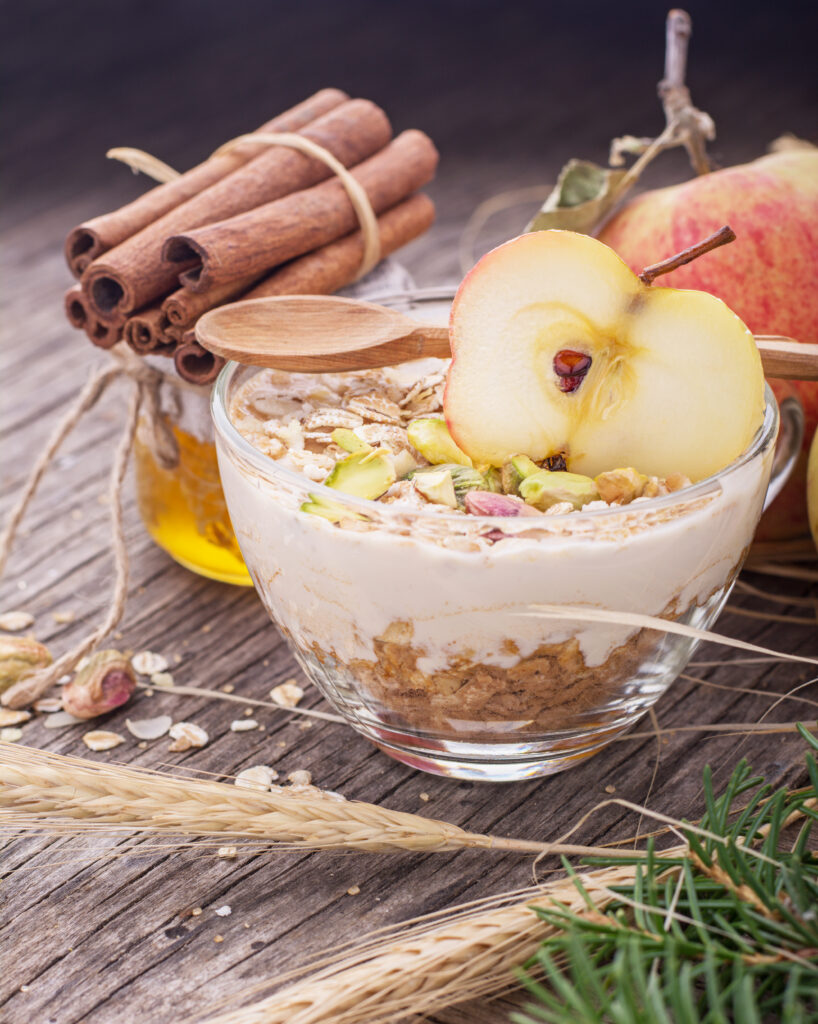
- Pistachio oatmeal

Pistachio oatmeal: Add pistachios to your oatmeal along with apples and drizzle with maple syrup.
Pistachio trail mix: Mix pistachios with other nuts, seeds, and dried fruits for a nutritious and satisfying snack.
Pistachio hummus: Blend pistachios with chickpeas, garlic, lemon juice, and olive oil for a tasty and healthy dip.
Pistachio-crusted chicken: Crushed pistachios can be used as a coating for chicken or fish, adding crunch and flavor.
Pistachio granola: Mix pistachios with oats, honey, and other ingredients to make a nutritious and delicious granola.
Pistachio yogurt bowl: Top Greek yogurt with fresh berries, pistachios, and a drizzle of honey for a filling and nutritious breakfast or snack.
Pistachio pesto: Blend pistachios with basil, garlic, Parmesan cheese, and olive oil for a flavorful and healthy pasta sauce.
Pistachio and cranberry energy bites: Combine pistachios with dried cranberries, dates, and other ingredients for a nutritious and easy-to-make snack.
Pistachio-crusted roasted vegetables: Roast vegetables like cauliflower, carrots, or sweet potatoes with a pistachio crust for a flavorful and healthy side dish.
These are just a few examples of how pistachios can be incorporated into snacks and dishes. The possibilities are endless, and you can experiment with different flavors and combinations to find what you like best.
Do you need help managing your blood sugar and learning more about food and nutrition? If yes, this upcoming program will be perfect for you! Click HERE to join the waiting list. No worries. You will NOT be bombarbed with any emails. You will ONLY receive an email when the program is ready.


